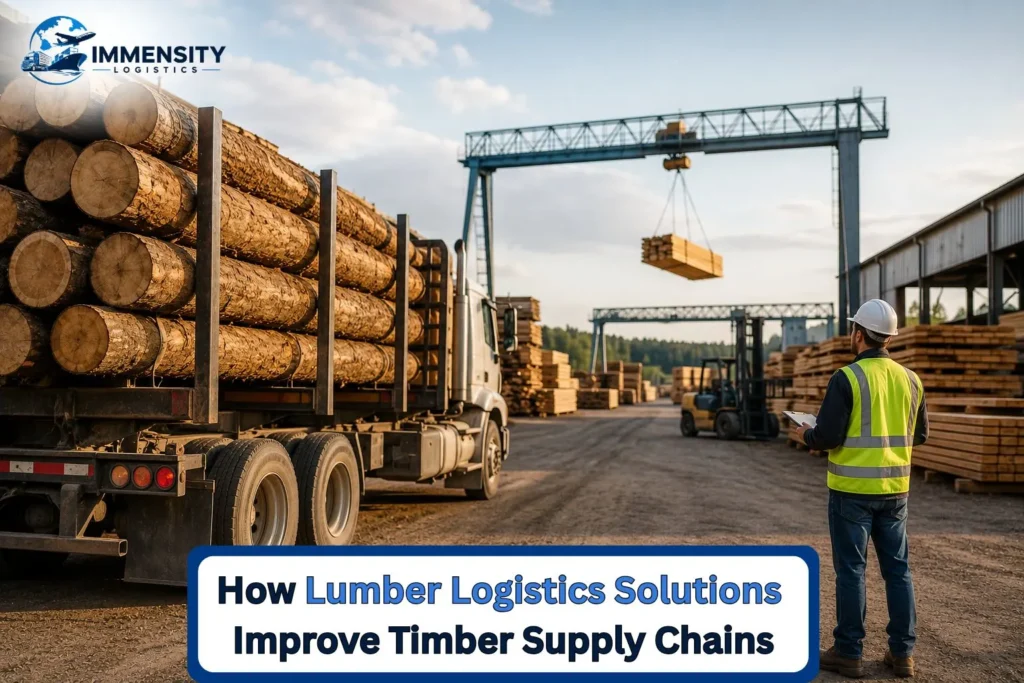
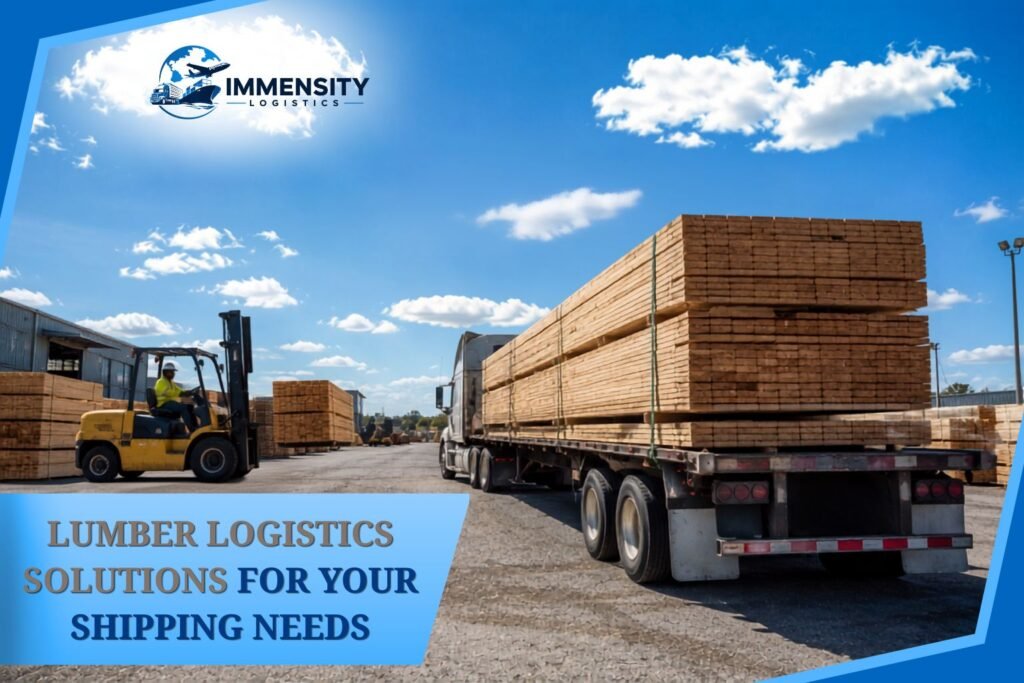
Lumber Logistics Solutions for Your Shipping Needs
Introduction Lumber logistics solutions help businesses move wood products safely, efficiently, and on schedule. From mills and manufacturers to distributors, retailers, and construction sites, lumber requires careful transportation planning. Because these materials can be long, heavy, bulky, and sensitive to weather, businesses need dependable freight coordination at every stage. Moreover, the right transportation strategy can reduce delays, protect cargo, and improve supply chain visibility. Whether a company ships lumber locally or across borders, professional logistics support makes the process easier to manage. Therefore, choosing reliable transportation, suitable equipment, experienced drivers, and efficient routes can help businesses meet customer expectations while controlling freight costs. Why Lumber Logistics Solutions Matter for Modern Shipping Lumber plays an important role in construction, manufacturing, home improvement, furniture production, and other industries. However, moving lumber from one location to another can create several transportation challenges. For example, lumber may require specialized loading and unloading equipment. In addition, different products can have different dimensions, weights, and handling requirements. Therefore, carriers need to understand the shipment before selecting the right transportation equipment. Furthermore, delivery timing often matters just as much as transportation cost. A delayed lumber shipment can interrupt construction schedules, affect production, or leave distributors with insufficient inventory. That is why lumber logistics solutions focus on more than simply moving freight. They bring together route planning, equipment selection, scheduling, shipment tracking, freight coordination, and delivery management. As a result, businesses can create a more predictable transportation process while reducing unnecessary delays and handling problems. Understanding Lumber Transportation Requirements Lumber shipments can vary significantly depending on the product and destination. Therefore, businesses should evaluate several factors before arranging transportation. First, shipment dimensions need careful consideration. Long boards, beams, plywood, panels, and other wood products may require different truck configurations. Similarly, the overall weight can affect equipment selection and route planning. Next, businesses should consider the loading location. Some facilities have loading docks, while others may require forklifts or specialized handling equipment. Moreover, the delivery location can affect transportation planning. A large distribution center may have plenty of space for unloading. In contrast, a construction site may have limited access, narrow roads, or specific delivery windows. Because of these differences, experienced lumber transportation services can help businesses choose suitable transportation options based on the shipment and destination. Lumber Logistics Solutions for Safer Freight Movement Safety should remain a priority throughout the transportation process. Lumber can shift if it isn’t loaded and secured correctly. Therefore, proper load planning and securement are essential. Additionally, the carrier should consider weight distribution before departure. Unevenly distributed freight can create transportation and handling challenges. Weather presents another concern. Rain, snow, and excessive moisture may affect certain lumber products. Consequently, businesses should consider appropriate protection during transportation and storage. Furthermore, loading and unloading require suitable equipment. Working with a dependable forklift service company can help warehouses and distribution centers handle heavy lumber more efficiently. With these practices in place, lumber logistics solutions can support safer freight movement from pickup through final delivery. Choosing the Right Transportation Method Different lumber shipments require different transportation methods. Therefore, businesses should avoid using a one-size-fits-all approach. Road Transportation Services for Domestic Lumber For domestic shipments, road transportation services provide flexibility and direct access to many destinations. Trucks can move lumber between mills, warehouses, distribution centers, retailers, and construction projects. Moreover, trucking works well for scheduled deliveries. Businesses can arrange pickup and delivery windows based on production requirements and customer demand. Full truckload transportation can also provide dedicated capacity for larger shipments. Meanwhile, other freight options may work better for smaller or shared loads. Ultimately, the right road freight strategy depends on shipment size, distance, timing, and destination requirements. Container Drayage for Port and Rail Connections International lumber shipments may involve ports, rail terminals, and inland distribution centers. In these situations, container drayage trucking services can connect different stages of the transportation process. For example, a container may arrive at a port before moving to a warehouse or distribution facility. Drayage trucking helps complete that short-distance movement efficiently. Additionally, proper coordination between ports, carriers, warehouses, and customers can reduce waiting time and improve container flow. Sea Freight for International Lumber Shipments For large-volume international shipments, working with a reliable sea freight logistics company can provide an efficient transportation option. Ocean freight can handle substantial cargo volumes and connect businesses with international markets. However, shipping schedules, port operations, customs documentation, and inland transportation all require careful coordination. Therefore, businesses should plan international lumber shipments well in advance. This approach helps reduce unexpected delays and keeps different parts of the supply chain connected. Global Air Freight Services for Urgent Cargo Air transportation isn’t usually the first choice for standard lumber shipments because of its higher cost. However, urgent documents, samples, specialized components, or time-sensitive materials may require faster transportation. In such cases, global air freight services can support expedited movement between international locations. Consequently, businesses can combine different transportation modes according to shipment urgency, volume, and budget. How Lumber Logistics Solutions Support Construction Projects Construction projects depend heavily on reliable material delivery. Lumber often needs to arrive at the right location before crews begin specific stages of work. For instance, framing activities may depend on a steady supply of wood materials. If transportation delays occur, workers may have to wait, which can affect the entire project schedule. Therefore, lumber logistics solutions can help construction companies coordinate material deliveries around project milestones. In addition, construction locations often create unique transportation challenges. Sites may have restricted access, limited storage space, changing schedules, and specific unloading requirements. This is where experienced construction logistics companies can add value. They understand the importance of timing and can coordinate deliveries with site conditions. Moreover, scheduled delivery planning can reduce unnecessary storage requirements. Instead of sending materials too early, businesses can arrange transportation closer to the time when the materials are needed. Improving Warehouse and Distribution Operations Lumber doesn’t always move directly from supplier to customer. Often, it passes through warehouses and distribution centers before reaching its final