1207 Delaware Ave Ste 820, Wilmington, Delaware, 19806, United States

MC Number :- 1442280

DOT Number :- 3908828

Full Truckload

Immensity Logistics provides efficient Full Truckload Services for large shipments. We ensure fast transit, secure handling, and timely delivery across the USA with advanced tracking and reliable transportation solutions.

full truckload shipping services
Full Truckload

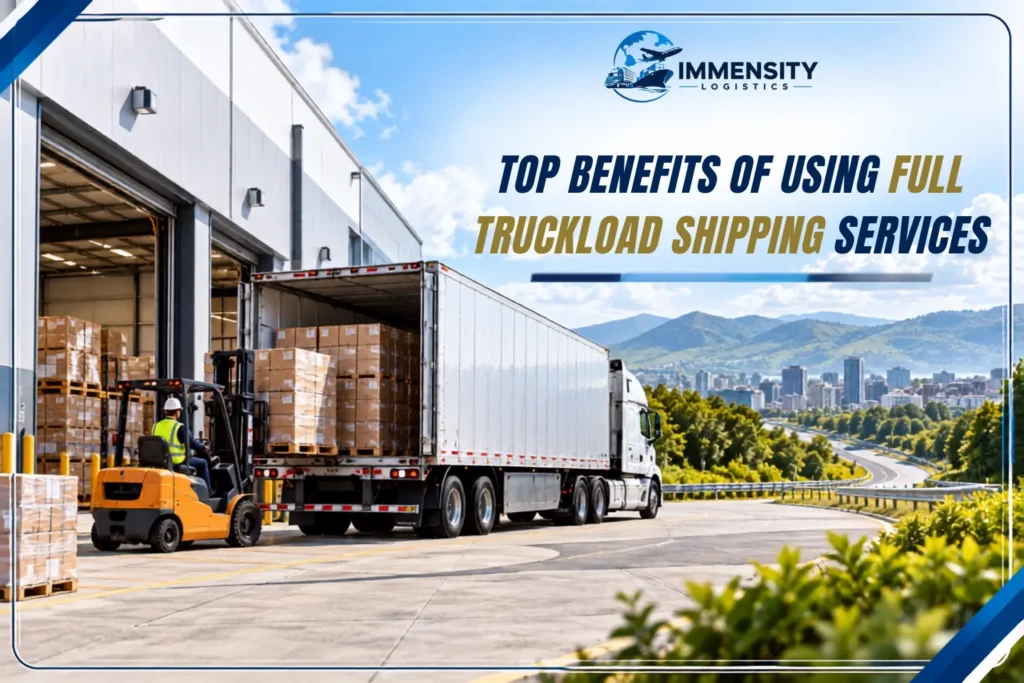
Top Benefits of Using Full Truckload Shipping Services in USA

Introduction Businesses moving large quantities of freight often need more than basic transportation. They need a shipping method that fits the cargo, delivery schedule, route, and handling requirements. Full Truckload Shipping Services (FTL) can be a practical option when one shipment uses most or all of a trailer. Unlike less than truckload services, where multiple shipments share trailer space, full truckload transport generally moves one shipper’s freight directly toward its destination without combining it with unrelated shipments. This can reduce intermediate handling and make shipment planning more straightforward. However, FTL is not automatically the right choice for every load. Shipment size, weight, urgency, cargo characteristics, equipment requirements, and total transportation cost should all be considered before selecting a service. What Are Full Truckload Shipping Services? Full truckload shipping is a transportation method in which a shipper reserves a truck or trailer for a shipment that is large enough to justify dedicated trailer capacity. An FTL shipment can use equipment such as: The exact trailer depends on the cargo. For example, temperature-sensitive food may require a refrigerated trailer, while construction equipment may require specialized equipment and additional securement planning. FTL can also work well for shipments that need direct transportation between an origin and destination. What Are the Main Benefits of Full Truckload Shipping? 1. Less Freight Handling One major advantage of FTL is the potential for fewer handling points. With a shared LTL shipment, freight may move through terminals or transfer points before reaching the consignee. An FTL load generally stays on the same trailer during the primary movement. Fewer handling points can be useful for fragile, high-value, large, or sensitive cargo. It may also simplify shipment coordination for businesses that want a more direct transportation process. 2. Direct Transportation Full truckload transport is often selected when a business wants freight to move directly from pickup to delivery. This can be particularly useful when delivery timing matters. Manufacturers, distributors, retailers, and construction companies may use FTL when delays could disrupt production, inventory planning, or project schedules. The actual transit time still depends on route conditions, driver hours, weather, traffic, loading and unloading times, and other operational factors. 3. Better Trailer Utilization for Large Shipments When a shipment occupies most of a trailer, paying for dedicated capacity can make more logistical sense than dividing the freight across multiple smaller shipments. For example, a manufacturer moving several pallets of finished products from a production facility in Texas to a distribution center in California may find FTL more practical than arranging several smaller shipments. The key is to compare the total transportation cost, not simply the quoted line-haul rate. 4. Reduced Risk of Cross-Handling Cargo can be exposed to additional handling whenever it is transferred between facilities or vehicles. FTL can reduce the number of times freight needs to be unloaded and reloaded. That may benefit products that are vulnerable to damage, shifting, contamination, or packaging problems. For this reason, full truckload services are often considered for cargo where maintaining shipment integrity is especially important. 5. More Predictable Shipment Planning Dedicated truck capacity can make transportation planning easier. A shipper can coordinate pickup appointments, loading requirements, delivery windows, equipment specifications, and documentation around a particular truck movement. That does not eliminate transportation risks. However, having a dedicated load can simplify communication between the shipper, carrier, driver, and receiver. 6. Suitable for Specialized Freight Some shipments require equipment or handling procedures that are not suitable for standard shared freight. For example, heavy machinery transport services may involve equipment such as flatbeds or specialized trailers. Oversized machinery may also require route planning, permits, securement procedures, and coordination with relevant authorities. The Federal Motor Carrier Safety Administration (FMCSA) has specific cargo-securement requirements, including commodity-specific requirements for heavy vehicles, equipment, and machinery. Therefore, the transportation method should be selected according to the physical characteristics and regulatory requirements of the load. FTL vs. LTL: Which Shipping Method Fits? The difference between FTL and less than truckload services mainly concerns how trailer capacity is used. Factor Full Truckload LTL Trailer use Dedicated to one shipment Shared among shipments Typical use Larger shipments Smaller shipments Handling Generally fewer transfers More terminal handling may occur Scheduling Often planned around dedicated pickup and delivery Depends on network and consolidation Cargo control More direct movement Shared network Best fit Large or sensitive loads Smaller freight quantities Neither method is universally better. A business should compare shipment dimensions, weight, delivery requirements, handling needs, and transportation costs. How Different Industries Use Full Truckload Shipping Food and Beverage Logistics Solutions Food transportation can require careful temperature, cleanliness, and contamination controls. The FDA’s Sanitary Transportation rule establishes requirements for shippers, loaders, carriers, and receivers involved in transporting human and animal food by motor or rail vehicle. Requirements can cover vehicles, transportation operations, records, and training. For businesses seeking food and beverage logistics solutions, FTL can be useful when a shipment requires dedicated trailer space or controlled transportation conditions. Heavy Machinery Manufacturers, construction companies, equipment dealers, and contractors may move machinery that cannot fit efficiently into standard enclosed trailers. Heavy machinery transport services may require flatbeds, lowboys, specialized equipment, route planning, and cargo securement. FMCSA specifically addresses heavy vehicles, equipment, and machinery within its cargo-securement regulations. Pharmaceutical Logistics Solutions Pharmaceutical shipments may require controlled transportation conditions, careful documentation, and appropriate handling procedures. The transportation strategy should reflect the product’s requirements rather than simply choosing the cheapest available truck. Businesses should confirm applicable product, packaging, temperature, security, and regulatory requirements before arranging transportation. The FDA’s Drug Supply Chain Security Act framework also addresses security and transparency within the U.S. pharmaceutical supply chain. Packaging and Paper Logistics Paper rolls, packaging materials, cartons, and other paper products can present unique loading and securement considerations. FMCSA includes paper rolls among commodities with specific cargo-securement provisions. For these shipments, load configuration, weight distribution, trailer selection, and securement should be reviewed before dispatch. What Should Businesses Check Before Booking FTL? A practical FTL planning process should include the following steps: 1. Measure the
full truckload transport service
Full Truckload

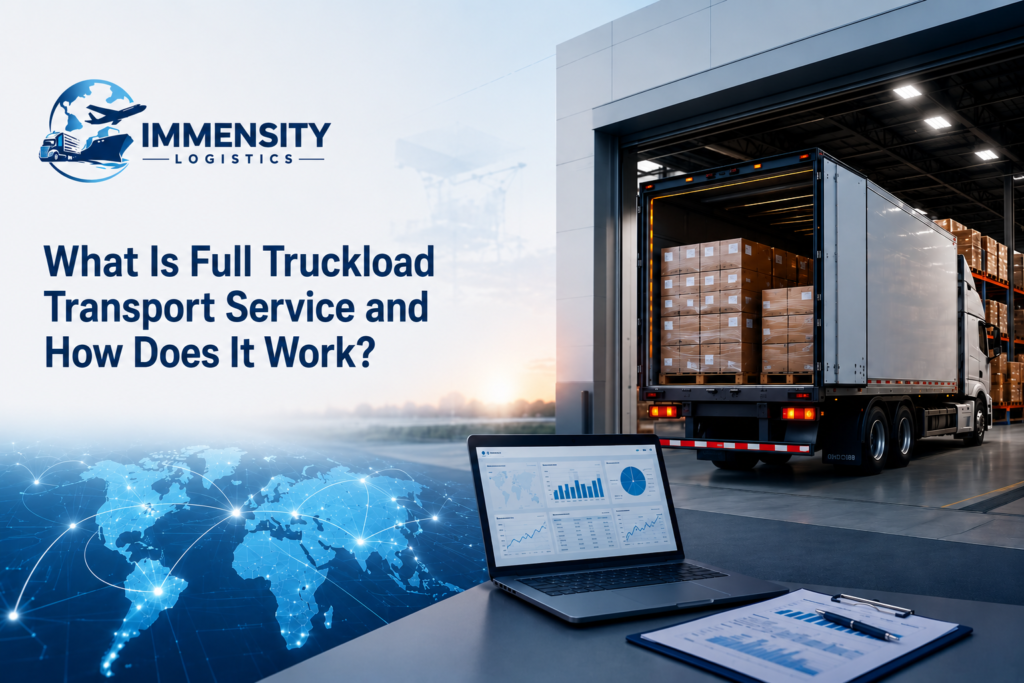
What Is Full Truckload Transport Service and How Does It Work?

Introduction A full truckload transport service is one of the most efficient ways to move large freight shipments across long distances. Moreover, when a shipment uses most or all of a trailer, businesses gain better control over transit times and cargo handling. As a result, they can reduce unnecessary delays. This shipping method also minimizes multiple freight touchpoints. Therefore, many companies choose it for large and time-sensitive shipments. In this guide, we explain how a full truckload transport service works, why companies choose it, and which carrier policies support reliable transportation performance. How a Full Truckload Transport Service Supports Freight Efficiency A full truckload transport service allows a single shipment to occupy most or all available trailer space. As a result, cargo moves directly from pickup to delivery with fewer interruptions. Unlike shared freight models, this option reduces handling and helps protect goods during transit. Furthermore, businesses often prefer this method when shipping high-volume products or time-sensitive inventory. Because of these benefits, transportation planning becomes easier and more predictable. Benefits of Choosing Dedicated Truck Capacity Dedicated truck capacity offers greater shipment control and flexibility. For example, businesses can schedule loading and unloading times more accurately. Moreover, cargo security often benefits from fewer touchpoints. A full truckload shipping company can assist with route planning, equipment selection, and shipment visibility. Consequently, businesses gain a more reliable transportation experience. In addition, enhanced delivery performance can lead to improved customer satisfaction. Full Truckload Transport Service vs Other Shipping Methods Not every shipment requires an entire trailer. Therefore, businesses should compare available freight options before making a decision. For instance, less than truckload shipping works well for smaller loads because multiple shipments share trailer space. When freight volumes are larger, opting for a full truckload transport service is often the better choice. Ultimately, the right option depends on shipment size, urgency, and budget. How Full Truckload Freight Operations Work The transportation process starts with shipment planning and cargo preparation. First, we collect shipment details and determine equipment requirements. Next, the freight is loaded by drivers, who then begin the scheduled route. Meanwhile, transportation teams monitor progress and provide updates when needed. Many businesses partner with a transport logistics company in USA to coordinate these activities efficiently. Because every step follows a structured process, shipments arrive more consistently and on schedule. Carrier Policies That Strengthen Transportation Performance Strong carrier policies help maintain consistency across operations. For instance, safety procedures establish clear expectations for drivers and staff. Furthermore, accurate documentation supports compliance and reduces administrative issues. Many organizations also use freight brokerage services in USA to improve access to capacity and transportation resources. As industry regulations evolve, companies should update policies regularly to maintain operational excellence. Reducing Risk in Full Truckload Shipping Transportation involves challenges that require careful planning. Weather conditions, traffic disruptions, and equipment issues can affect deliveries. Therefore, We implement preventive strategies to minimize potential problems. Cargo inspections, maintenance programs, and contingency plans all support risk reduction. In some cases, businesses may work with a partial shipping company when freight volumes do not fully utilize a trailer. As a result, transportation operations remain more resilient and adaptable. Technology and Visibility in Freight Transportation Modern logistics depends on technology to improve performance. Real-time tracking systems allow us to monitor freight movement throughout the journey. In addition, data analytics helps identify opportunities for operational improvements. Customers now expect greater transparency, making visibility tools essential for transportation management. Consequently, businesses can make faster decisions and address potential delays before they affect delivery schedules. Expanding Freight Solutions Beyond Trucking Many supply chains rely on multiple transportation modes. For urgent international shipments, global air freight services can provide faster delivery options. However, cost considerations often influence transportation choices. Businesses should evaluate shipment requirements carefully before selecting a mode. By combining different transportation methods, we can create flexible logistics solutions that support both domestic and international operations. Building Strong Transportation Partnerships Reliable logistics depends on strong partnerships and clear communication. Businesses benefit when transportation providers understand operational goals and customer expectations. Likewise, long-term collaboration often improves service consistency and efficiency. Companies involved in international trade may also work with a sea freight logistics company to support overseas shipping requirements. Therefore, investing in strong relationships can create long-term transportation advantages. Planning for Long-Term Logistics Success A successful transportation strategy combines planning, flexibility, and continuous improvement. Throughout the shipping process, businesses should evaluate performance, identify opportunities, and adapt to changing market conditions. Moreover, selecting the right freight solution helps improve efficiency and customer satisfaction. By focusing on visibility, compliance, safety, and service quality, we can build stronger supply chains. At Immensity Logistics, we help businesses move freight with confidence while supporting dependable and efficient transportation solutions. 1. How does full truckload shipping improve delivery efficiency? Because the truck carries a single primary shipment, freight typically travels on a more direct route. As a result, delivery times can become more predictable, and handling-related delays may decrease. 2. Is full truckload transport more secure for cargo? Yes. Since freight experiences fewer loading and unloading events, the risk of product damage can decrease. In addition, dedicated trailer space provides greater shipment control throughout the journey. 3. What industries benefit the most from full truckload transport services? Retail, manufacturing, food distribution, construction, automotive, and consumer goods businesses frequently use full truckload transportation for large or time-sensitive shipments. 4. How can technology improve full truckload transportation? Modern tracking systems provide real-time shipment visibility. Consequently, we can monitor freight progress, improve communication, and respond quickly to unexpected transportation issues. 5. What factors affect the cost of full truckload shipping? Several factors influence pricing, including shipment weight, freight dimensions, travel distance, fuel costs, trailer type, seasonal demand, and delivery requirements. 6. Can full truckload transport support international logistics operations? Yes. Full truckload transportation often connects with air and ocean freight networks. Therefore, it can play an important role in larger domestic and international supply chain strategies. 7. Why are carrier policies important in freight transportation? Carrier policies help establish

Full-Truckload-Services-for-Reliable-Freight-Shipping
Full Truckload

Full Truckload Services for Reliable Freight Shipping

Introduction: Why Full Truckload Services Matter Full truckload services are one of the most reliable freight shipping solutions for businesses that need fast, secure, and efficient transportation. Companies use full truckload shipping to move large volumes of goods without sharing trailer space, which helps reduce handling, delivery delays, and cargo damage risks. These transportation services are ideal for long-distance freight movement and time-sensitive shipments that require direct delivery. With better route planning, faster transit times, and dedicated truck capacity, businesses can improve supply chain performance and maintain smooth logistics operations. As shipping demands continue to grow, full truckload freight services help companies lower transportation challenges while ensuring dependable and cost-effective delivery solutions. What Are Full Truckload Services? Simply put, full truckload services mean one shipment fills an entire truck. So, the truck carries goods for only a single customer. This approach reduces stops and speeds up delivery. Because of these factors, full truckload shipping is ideal for: We also guarantee the careful handling of every full truckload transport service. We plan routes carefully. We also track shipments in real time. Therefore, you always know where your goods are. Benefits of Full Truckload Shipping 1. Faster Delivery Times First of all, full truckload shipping reduces transit time. Since there are fewer stops, goods reach their destination quicker. As a result, businesses can meet tight deadlines. 2. Lower Risk of Damage Also, fewer touchpoints mean less handling. This lowers the chance of damage. So, full truckload services are perfect for delicate items. 3. Cost Efficiency for Large Loads Although it may seem expensive, it saves money for large shipments. Instead of multiple smaller loads, one truck handles everything. 4. Better Tracking and Control With advanced tools, we provide complete visibility. Our logistics management solutions help track shipments in real time. How Full Truckload Transport Service Supports Growth We believe that strong logistics drive business success. That’s why our full truckload transport service is designed for scalability. For example: Furthermore, we combine these services with freight brokerage services. This helps us connect with reliable carriers. As a result, we ensure smooth operations across regions. Role of Freight Brokerage Services in Truckload Shipping Now, let’s talk about freight brokerage services. These services act as a bridge between shippers and carriers. So, we don’t just rely on one network. Instead, we access multiple carriers to find the best match. Because of this, we can: In addition, combining brokerage with full truckload services improves flexibility. We can quickly adapt to changing needs. Therefore, businesses stay ahead in a competitive market. Logistics Management Solutions for Better Efficiency Today, logistics is not just about transportation. It’s about planning, tracking, and optimizing. That’s where logistics management solutions come in. We use these solutions to: Moreover, these tools help us deliver the best logistics services in USA. We focus on efficiency at every step. So, our clients get better results with less effort. Choosing the Right Transportation Logistics Company Selecting the right transportation logistics company is crucial. After all, your supply chain depends on it. Here’s what we recommend: Additionally, a good partner will offer both local and international support. For example, a logistic solutions company in Canada can help with cross-border shipping. Full Truckload Services vs Other Shipping Options While there are many shipping methods, full truckload services stand out. Let’s compare them briefly. Full Truckload Shipping Less Than Truckload (LTL) Intermodal Shipping So, if speed and safety matter, full truckload shipping is the best choice. Expanding Across Borders with Logistics Solutions Global trade is growing fast. Therefore, businesses need reliable partners. We support expansion with strong networks. For example, we work with a logistics solutions company in Canada to handle cross-border shipments. This ensures smooth operations between regions. In addition: As a result, businesses can expand without worry. Why Businesses Prefer Full Truckload Services There are many reasons why companies choose full truckload services. Moreover, combining these services with logistics management solutions creates a powerful system. It helps businesses stay competitive. Tips to Optimize Full Truckload Shipping To get the best results, we recommend a few simple steps: Furthermore, don’t forget to review performance regularly. This helps improve efficiency over time. Future of Full Truckload Transport Service The logistics industry is evolving quickly. New technologies are changing how we operate. For instance: Because of this, full truckload transport service is becoming more efficient. At the same time, it supports the growth of global trade. Conclusion In summary, full truckload services are essential for modern businesses. They offer speed, safety, and reliability. Moreover, when combined with freight brokerage services and logistics management solutions, they create a strong supply chain. We focus on delivering the best logistics services in the USA while also supporting global operations. Whether it’s local shipping or working with a logistics solutions company in Canada, we ensure smooth and efficient deliveries. Ultimately, our commitment lies in fostering business growth. With smart planning, advanced tools, and reliable networks, Immensity Logistics is here to support every step of your journey. 1. When should we choose full truckload shipping? We should choose full truckload shipping when we have large shipments or urgent deliveries. It’s also ideal for fragile or high-value goods that need extra care. 2. How does a full truckload transport service improve delivery speed? Since the truck carries only one shipment, there are fewer stops. As a result, the full truckload transport service ensures quicker transit and on-time delivery. 3. Are full truckload services cost-effective for businesses? Yes, they are cost-effective for large shipments. Instead of paying for multiple smaller loads, we use one truck. This helps save time and money. 4. What role do freight brokerage services play in shipping? Freight brokerage services help connect us with reliable carriers. Therefore, we obtain better rates and flexible options. This also improves delivery efficiency. 5. How do logistics management solutions support full truckload shipping? Logistics management solutions track shipments in real time. They also help reduce delays and improve planning. Because of these benefits, operations become smoother.

Scroll to Top